
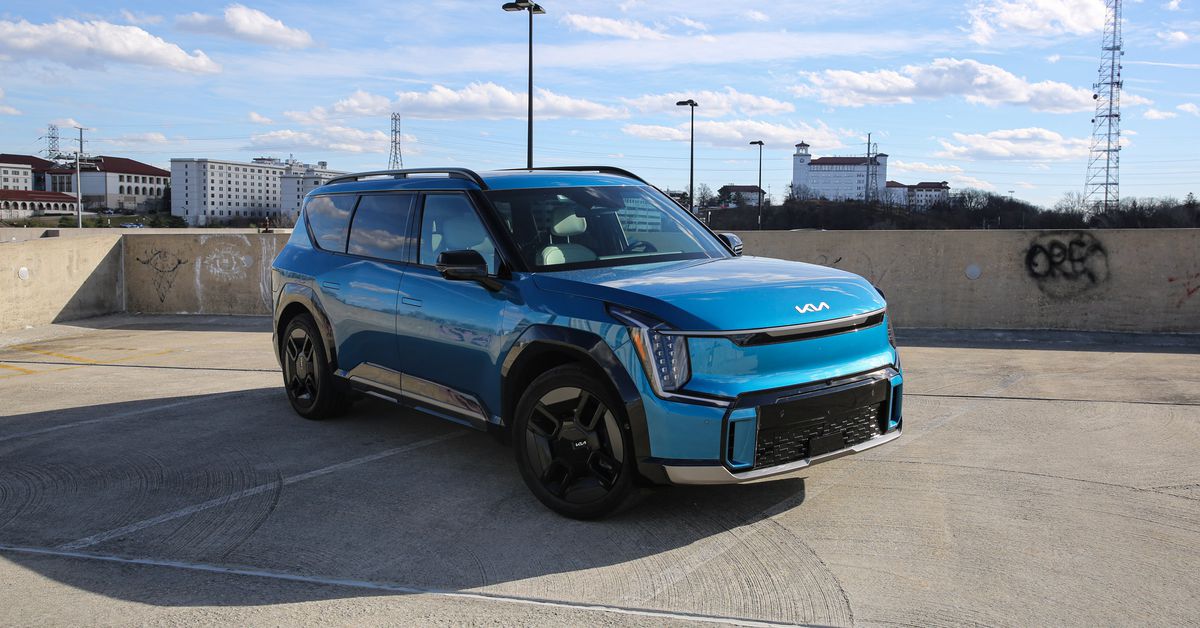

Ah, the annual dance of tax credits and electric vehicles (EVs). It’s like a soap opera, only with more horsepower and fewer dramatic pauses. The latest episode? Hyundai and Kia’s electric vehicles have just sashayed onto the stage, qualifying for the U.S.’s $7,500 EV tax credit. Now, this isn’t just a minor subplot; it’s a game-changer for potential EV buyers and a significant nod to the evolving federal policies that aim to electrify the roads of America.
So, what’s the big deal with this EV tax credit? Well, first, let’s talk about the stars of the show: Hyundai’s Ioniq 5 and Kia’s EV9. These models are not just electric; they’re a testament to innovative design and engineering. With the Hyundai Ioniq 5’s sleek crossover design and Kia EV9’s spacious three-row seating, they’ve captured the imagination of eco-conscious drivers and family haulers alike. And now, thanks to the federal tax credit, they’re even more accessible.
The Biden Administration’s decision to tweak the EV tax credit rules has been pivotal. By mandating that vehicles be built in North America and adding requirements for battery component sourcing, the administration aims to bolster local manufacturing while reducing reliance on foreign components. It’s a strategic move, especially considering the geopolitical pressures and the need to secure supply chains. For Hyundai and Kia, this means aligning their production lines to meet these criteria, which they’ve done successfully. Check out this detailed article on how Hyundai and Kia have navigated these waters: Hyundai and Kia Now Qualify for the Federal EV Tax Credit.
But let’s not gloss over the drama. Just a couple of years ago, Hyundai and Kia were less than thrilled with the Inflation Reduction Act. The act, while expanding available credits, initially left their Korean-built EVs ineligible. There were even rumblings of legal action. However, a shift in strategy and a commitment to North American production have turned the tables, allowing these brands to reap the benefits of the federal tax incentives.
Of course, every good story has its tension. Enter President-elect Donald Trump, who has vowed to scrap these EV incentives on his very first day in office. This potential policy shift has automakers on edge, though many American companies are lobbying to keep the credits, recognizing their role in driving forward the EV revolution and supporting domestic jobs.
For consumers, the tax credit is more than just a financial bonus. It’s a nudge towards sustainable transportation. An extra $7,500 off the sticker price can make the difference between sticking to a gas guzzler or making the leap to an electric future. It’s not just about saving money; it’s about making a choice that aligns with environmental stewardship.
The list of eligible vehicles continues to evolve, reflecting the dynamic nature of the automotive industry and regulatory landscape. As of January 2025, the roster includes a diverse array of 25 EVs and plug-in hybrids across 10 brands. But what does this mean for the future? If automakers continue to innovate and adapt, we could see this list expand further, offering even more choices to consumers.
As we look to the future, the key takeaway is clear: federal policies and incentives play a crucial role in shaping the automotive market. They drive innovation, push for cleaner technologies, and ultimately benefit the consumer. For Hyundai and Kia, this means being at the forefront of the EV wave, ready to ride it into the next decade.
So, what’s next for EV enthusiasts and potential buyers? Keep an eye on policy changes, watch for new model releases, and don’t hesitate to take advantage of these tax credits while they last. The road ahead may be electric, but it’s also filled with opportunities for those ready to embrace it.
Stay tuned with us for more electrifying updates! Follow us on Twitter at x.com/sharks_dataden, join our Instagram community at instagram.com/shark.bite24, and visit our blog daily for insightful updates, reviews, analysis, and tech guides.


